7 Dorm Kitchen Food Safety Mistakes That Are Easy to Make Without Noticing
You’re not trying to cut corners on food safety — dorm kitchens just make it easy to slip without realizing it. Limited fridge space, shared surfaces, and a hot plate instead of a real stove change the rules more than people expect.
1. Storing Raw Meat Above Ready-to-Eat Food in a Shared Fridge
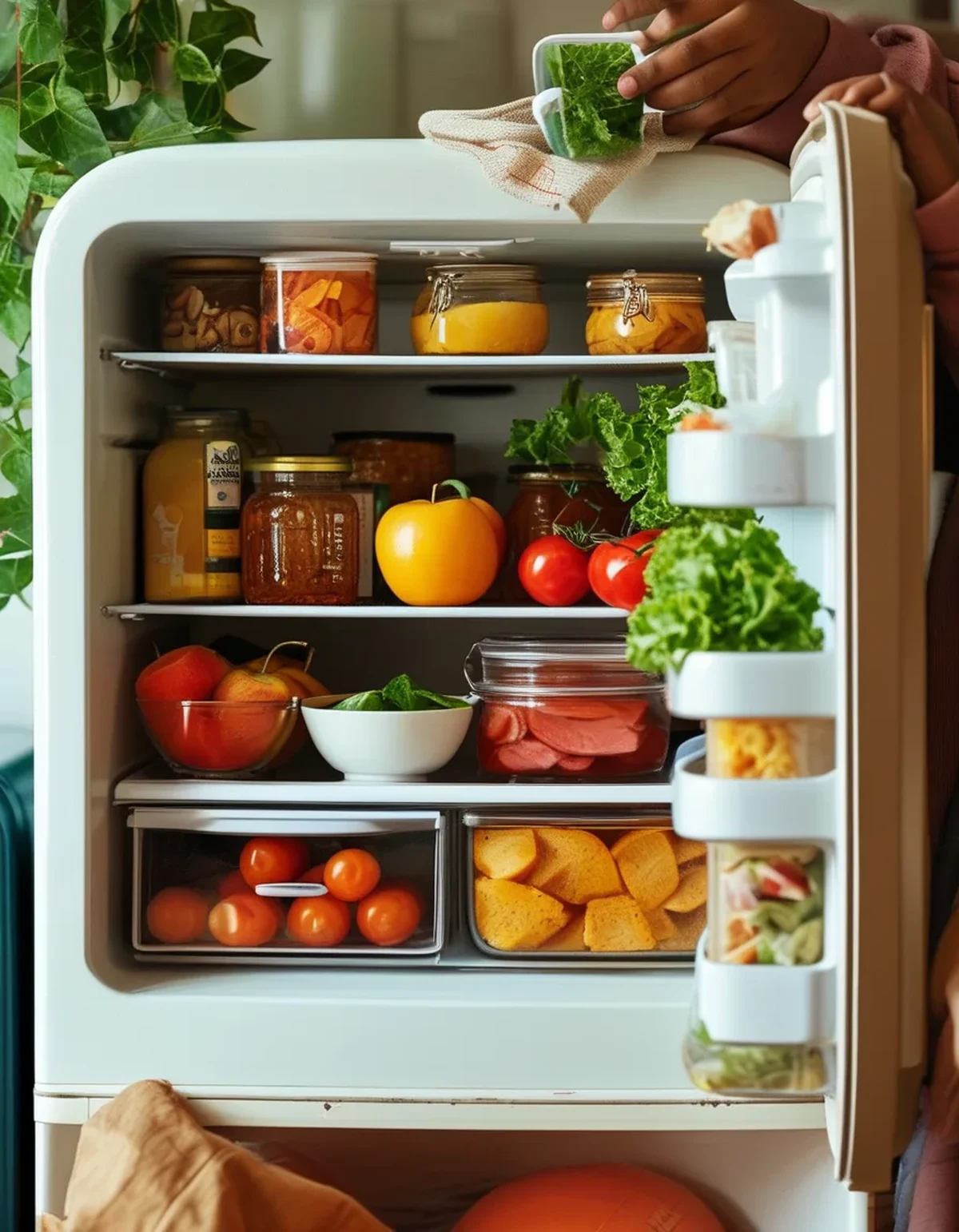
In a packed mini fridge or shared shelf, raw meat juices can drip onto anything below it. Always keep raw meat on the lowest shelf or in a sealed container, and never assume a shared fridge is organized with this in mind — it usually isn’t, so you have to enforce it yourself with your own items.
2. Leaving the Two-Hour Rule Behind on Cook Nights
Perishable food left at room temperature for more than two hours (one hour if the room is above 90°F) enters the bacterial danger zone. Dorm cooking sessions often stretch out with socializing, and it’s easy to lose track of how long that pot’s been sitting on the counter after cooking.
3. Not Actually Knowing Your Hot Plate’s Real Temperature
Hot plates often run hotter or cooler than the dial suggests, and without an oven thermometer, it’s easy to undercook meat while assuming it’s done because it looks done on the outside. A $10 instant-read thermometer is one of the cheapest food-safety upgrades for a dorm kitchen — 165°F for poultry, 145°F for whole cuts of meat, 160°F for ground meat.
4. Reusing the Same Cutting Board for Raw Meat and Produce
Space is tight, so it’s tempting to just rinse a cutting board and reuse it immediately for vegetables after cutting chicken. Cross-contamination doesn’t require visible mess — a quick rinse doesn’t remove bacteria the way an actual wash with soap does. If you only have one board, do produce first, meat last, and wash thoroughly between.
5. Forgetting Mini Fridges Run Warmer Than Full-Size Ones
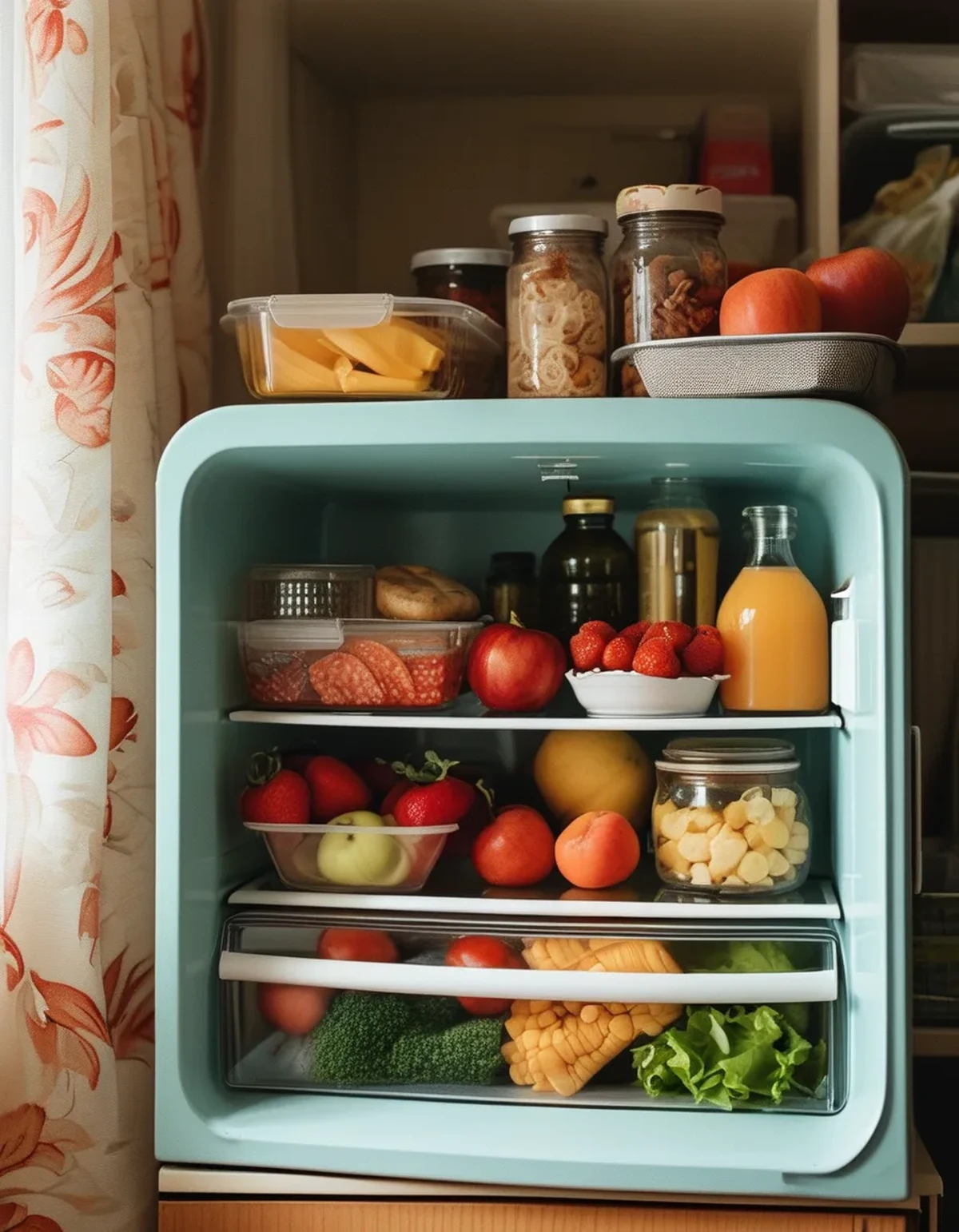
Mini fridges frequently run several degrees warmer than the 40°F food safety threshold, especially when overpacked or opened often in a shared dorm. A fridge thermometer (a few dollars) tells you what’s actually happening instead of trusting the dial, which is often inaccurate on cheaper units.
6. Not Labeling Shared-Fridge Leftovers With Dates
In a shared fridge, it’s easy to lose track of how long your own leftovers have been sitting, especially with roommates’ food mixed in. A simple masking-tape-and-marker date on containers prevents the ‘is this still good?’ guessing game that leads to either wasted food or eating something past its window.
7. FAQ: Dorm Kitchen Food Safety Questions, Answered
How long do dorm-cooked leftovers actually last in the fridge?
Most cooked leftovers are safe for 3-4 days refrigerated at 40°F or below — label them so you’re not guessing by smell alone.
Is it safe to eat food that’s been in a hot dorm room fridge that keeps failing?
If a fridge isn’t reliably holding 40°F or below, treat perishables inside it with more caution and consider reporting the appliance — chronic temperature failure is a real food safety risk, not just an inconvenience.
Can I safely reheat dorm leftovers in the microwave?
Yes — reheat to steaming hot throughout (165°F if you’re checking), and stir partway through since microwaves heat unevenly, leaving cold spots where bacteria can survive.
TL;DR:
- Raw meat storage position and cross-contamination are the biggest risks in tight shared spaces
- The two-hour rule still applies even during a long, social cook night
- A cheap food thermometer and fridge thermometer solve two invisible risks at once
- Labeling shared-fridge leftovers prevents both waste and guessing
None of this requires new equipment beyond a couple of cheap thermometers — just a few habit adjustments for the realities of a shared, minimal kitchen.
Keep Reading
This article is for general informational purposes only and is not medical advice. Always consult a qualified health professional for guidance specific to you.