Five Dorm Kitchen Setups for the Nights You Get Back After 9pm
Quick Answer: Late-night dorm eating fails on decisions and noise, not on cooking skill. The five setups below each take under 10 minutes, need one appliance at most, and stay quiet enough for a shared corridor at 10pm. The rule that makes all of them work: assemble a base carbohydrate, a real protein, and one thing with flavour - and prep the protein on Sunday so the late-night version is assembly rather than cooking.
The dining hall shut at 7. It is 9:20, you have been out since eight this morning, and the options are a vending machine, delivery you cannot afford three times a week, or something in the cupboard.
The third option is the right one and it usually loses, because at 9:20pm the obstacle is not skill or ingredients. It is making decisions while depleted, plus the fact that a shared kitchen at that hour is a social space with rules.
So these five setups are pre-decided. Pick one, make it, go to bed.
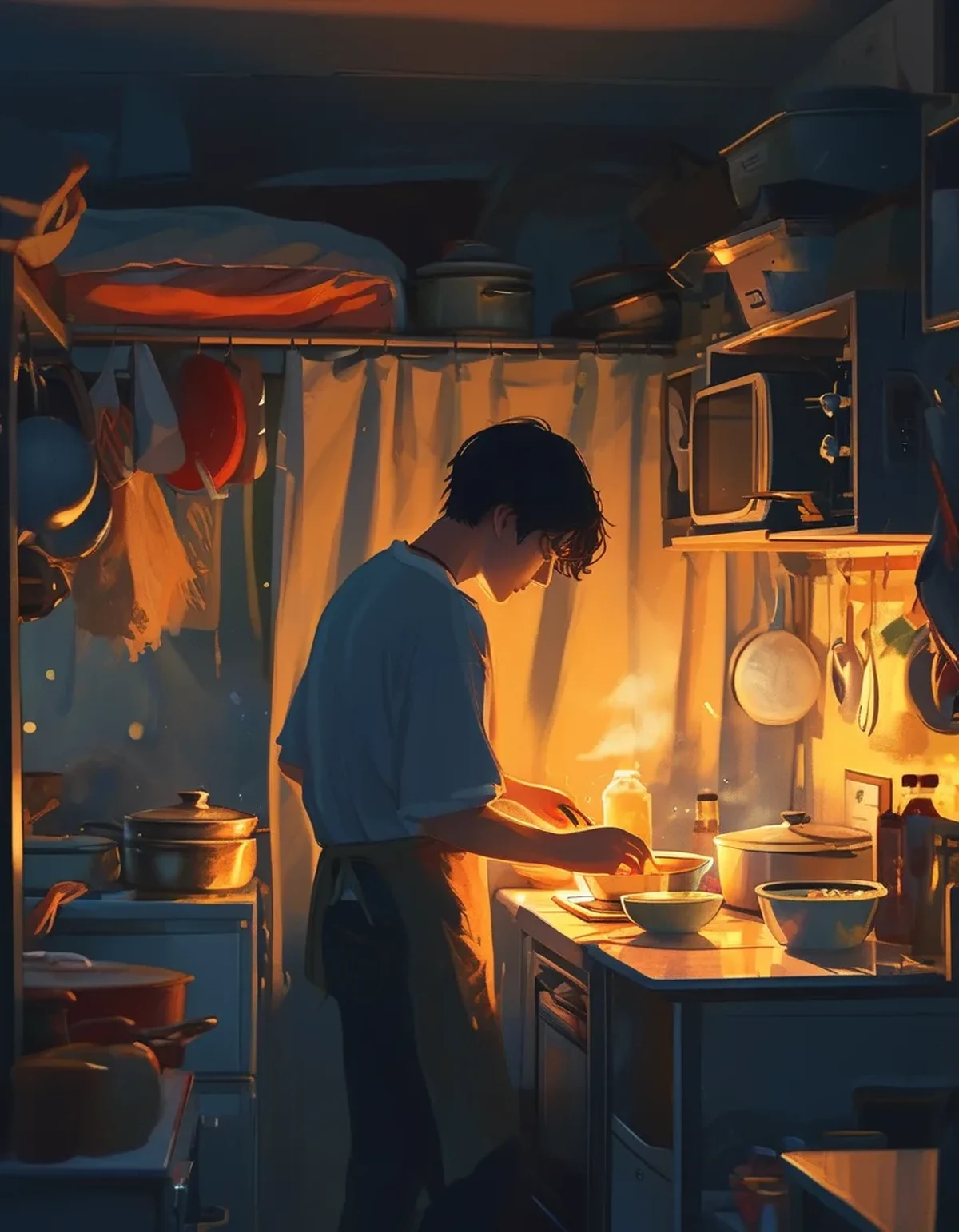
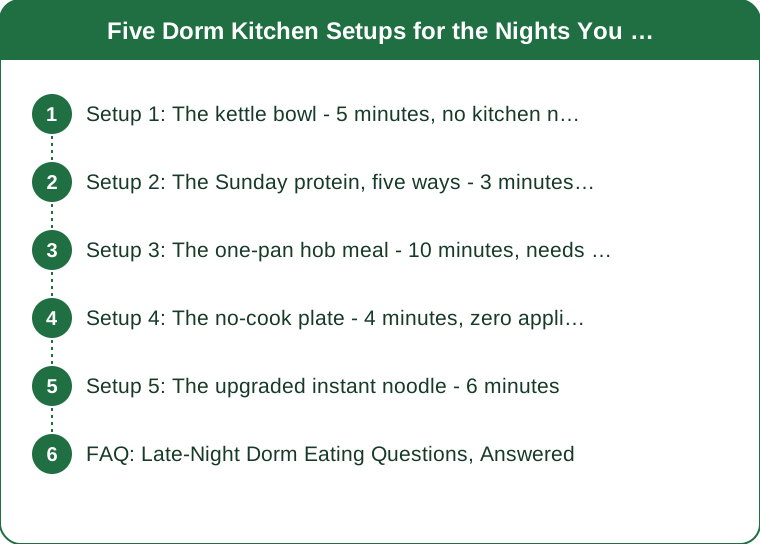
Setup 1: The kettle bowl - 5 minutes, no kitchen needed
What it is: A bowl assembled from things that only need boiling water. Instant rice or couscous, a protein you already have, and something with flavour.
The build: couscous or instant rice in a bowl, boiling water over it, cover with a plate for five minutes. While it sits, add drained tinned tuna or chickpeas, a spoon of pesto or chilli crisp, and whatever fresh thing you have - spinach wilts in the residual heat, cucumber goes in cold.
Why it works at 9:20pm: a kettle is the quietest appliance you own, it is allowed in almost every room, and there is nothing to wash except a bowl and a fork. No hob, no microwave queue, no negotiating a shared kitchen.
The protein is the part that matters and the part people skip. A bowl of plain carbohydrate at 9:30pm leaves you hungry at 11 and reaching for whatever is nearest. Tinned fish, chickpeas, or a pre-cooked pouch takes it from a snack to a meal.
Keep in stock: couscous, instant rice pouches, tinned tuna, tinned chickpeas, pesto, chilli crisp, stock cubes. All shelf-stable, all cheap, none of it goes off while you are away for a weekend.
Setup 2: The Sunday protein, five ways - 3 minutes on the night
What it is: One batch of protein cooked at the weekend, portioned, and used across four or five late nights in completely different meals.
The build: on Sunday, cook one thing - a tray of chicken thighs, a pan of spiced mince, a batch of hard-boiled eggs, or a tin’s worth of seasoned black beans. Portion into containers. Then on the night, it goes into a wrap, over rice, into instant noodles, on toast, or into a salad.
Why it works: it moves the only genuinely time-consuming step to a moment when you have time and energy. The 9:20pm version is assembly, not cooking, which is the difference between doing it and ordering.
The rule that keeps it from getting boring: change the flavour, not the protein. The same chicken with chilli crisp on Monday, with lemon and yoghurt on Wednesday, and in a tomato-based sauce on Friday does not feel like the same meal. Four small condiments do more work here than four different recipes.
Food safety matters more than usual in a dorm. Cooked protein keeps three to four days refrigerated, and a shared fridge that gets opened forty times a day is warmer than it should be. Portion into small containers so it cools fast, label them, and use the freezer for anything past day three.
Setup 3: The one-pan hob meal - 10 minutes, needs a shared kitchen
What it is: The only genuinely cooked option on the list, for the nights when you have a bit left in the tank and the kitchen is free.
The build: one pan, medium heat. Something aromatic first - garlic, onion, or just chilli flakes - then a protein, then a vegetable, then a starch that is already cooked or quick. Pasta, instant rice, or a tortilla on the side. Ten minutes, one pan, one plate.
Why it works: it produces genuinely hot food, which matters more than people admit on a cold evening - and late August evenings have started to be cold. It also uses fresh vegetables before they turn, which is the main source of food waste in a dorm fridge.
The etiquette part is not optional. A shared kitchen at 9:30pm has other people’s schedules in it. Cook something that does not smell aggressively - fish and heavy spice frying land badly in a corridor at that hour - clean as you go, and do not occupy the only hob for forty minutes. Being the person who cooks late and cleans up properly is worth more socially than it sounds.
Keep in stock: garlic, chilli flakes, soy sauce, a decent oil, pasta, tortillas. With those plus one protein and one vegetable you can make a dozen versions of this without a recipe.
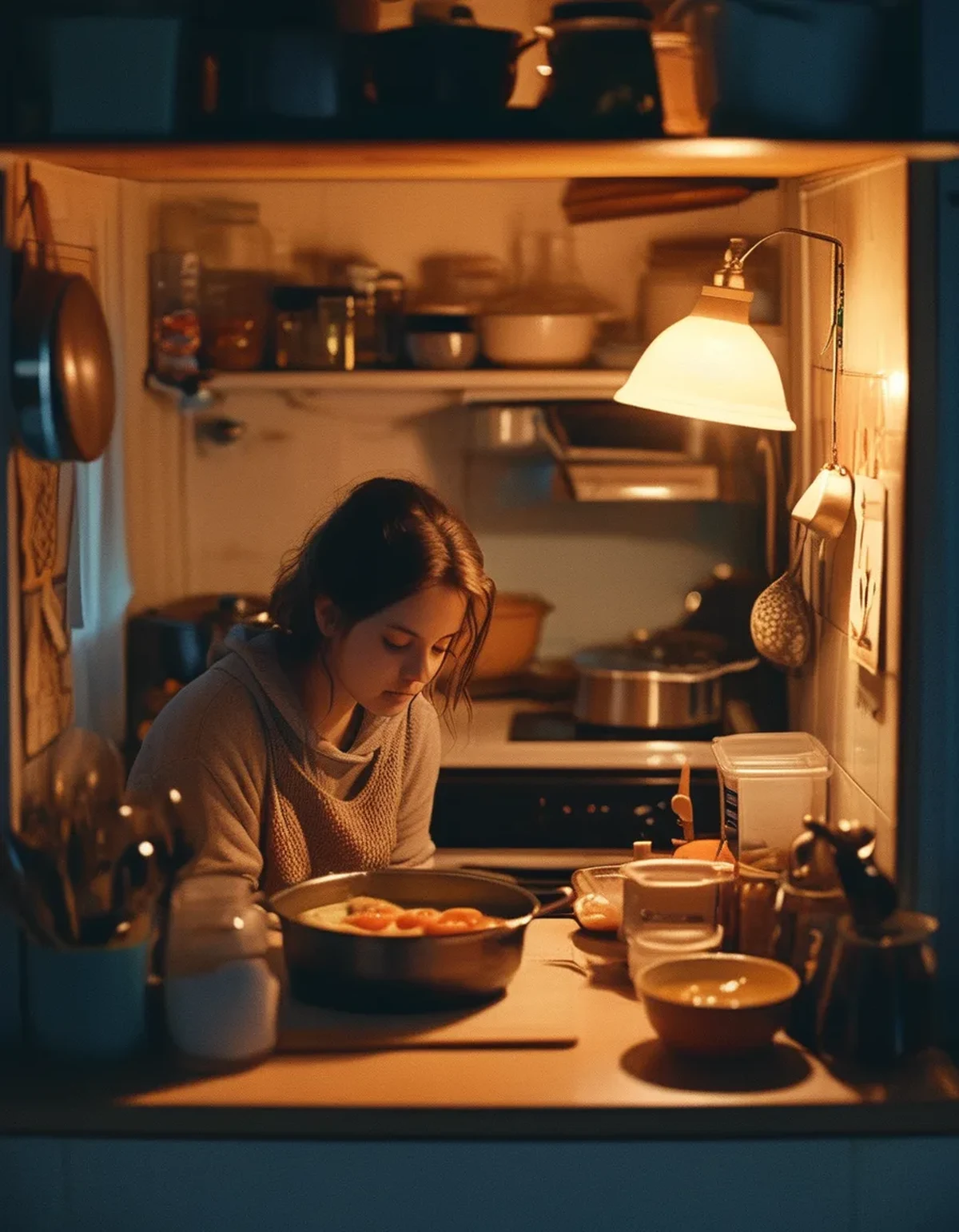
Setup 4: The no-cook plate - 4 minutes, zero appliances
What it is: A properly composed cold plate rather than snacks eaten standing up. Deliberately not cooking.
The build: a carbohydrate (bread, crackers, leftover rice, a tortilla), a protein (cheese, hummus, tinned fish, hard-boiled eggs from Sunday, cold cuts), a vegetable or fruit (cucumber, cherry tomatoes, an apple, carrots), and one thing with real flavour (pickles, olives, hot sauce, a good mustard).
Why it works: on the worst nights - the ones where the choice is genuinely between this and cereal - the barrier is any step at all. A plate with four components on it takes four minutes, requires nothing to be switched on, and is a meaningfully better meal than the alternative.
The framing matters more than the food. ‘Cold plate’ sounds like giving up; it is the same structure as a European lunch, and treating it as a legitimate meal rather than a failure is what stops the 11pm vending machine trip.
And it is the quietest option there is. No appliance, no shared kitchen, no negotiation. On a night when the kitchen is occupied and you are done with people, that is the entire point.
Setup 5: The upgraded instant noodle - 6 minutes
What it is: Instant noodles treated as a base ingredient rather than as the whole meal. This is the one people are embarrassed about and it is genuinely good when done properly.
The build: cook the noodles, use about half the seasoning packet, and add three things: a protein (an egg cracked in during the last minute, leftover chicken, tofu, or a tin of beans), a vegetable (frozen peas, spinach, frozen sweetcorn - all go in straight from frozen), and a flavour (chilli crisp, sesame oil, a spoon of peanut butter, lime).
Why it works: the base is cheap, shelf-stable and cooks in three minutes, and the three additions turn it from a sodium delivery system into an actual meal with protein and fibre. Using half the packet is deliberate - the full sachet is a very large amount of salt.
The frozen vegetable point is the underrated one. A bag of frozen peas or spinach in a dorm freezer costs almost nothing, never goes off, and is the single easiest way to get vegetables into late-night food. Fresh vegetables in a shared fridge have a habit of dying quietly behind someone else’s milk.
Keep in stock: instant noodles, eggs, frozen peas or spinach, sesame oil, chilli crisp, peanut butter. That list makes this meal fifteen different ways.
FAQ: Late-Night Dorm Eating Questions, Answered
Is eating at 9:30pm bad for you?
Not inherently - meal timing matters far less than total intake and food quality. What does matter is what late eating tends to look like: skipping a real meal and then eating snacks, which usually means less protein and fibre and more sugar. A proper meal at 9:30 is better than a bag of crisps at 9:30 and considerably better than nothing followed by a large breakfast.
How do I keep food safe in a shared fridge?
Use small containers so food cools quickly, label everything with the date, and keep raw and cooked separate. Shared fridges run warmer than they should because they get opened constantly and overfilled, so treat the guidance as a maximum rather than a target - three days for cooked protein, not five. Anything you are unsure about goes.
What if my kitchen is always occupied at that hour?
Build your default around setups 1 and 4 - the kettle bowl and the cold plate. Neither needs the kitchen at all. Having a genuinely good option that requires nothing from a shared space is what stops a busy kitchen from turning into a delivery order.
General information, not individual nutrition advice.
TL;DR:
- The barrier at 9:20pm is decisions and noise, not cooking skill - so pre-decide.
- Kettle bowl (5 min, no kitchen), Sunday protein (3 min assembly), one-pan (10 min), cold plate (4 min, zero appliances), upgraded noodles (6 min).
- Every one of them needs a carbohydrate, a real protein, and one thing with flavour.
- Cook the protein on Sunday. It converts every late night from cooking into assembly.
- Frozen vegetables beat fresh in a shared fridge - they cost nothing and never quietly die behind someone else’s milk.
None of this is about being organised. It is about having two options that need nothing from anyone else, so the vending machine stops being the default.
Keep Reading
This article is for general informational purposes only and is not medical advice. Always consult a qualified health professional for guidance specific to you.