Why a Labeling System Saves Your Food in a Shared Dorm Fridge
Quick Answer: Label every container with your name, the date, and what it is — in that order, on top where it’s visible without moving anything. Missing food and mystery mold both drop sharply once a fridge has a visible, consistent labeling habit.
Your leftovers vanish, or worse, you find them three weeks later fuzzy in the back corner because nobody could tell whose it was or how old it was. A shared fridge doesn’t need house rules meetings — it needs labels that actually work.
Look 1: The three-line label
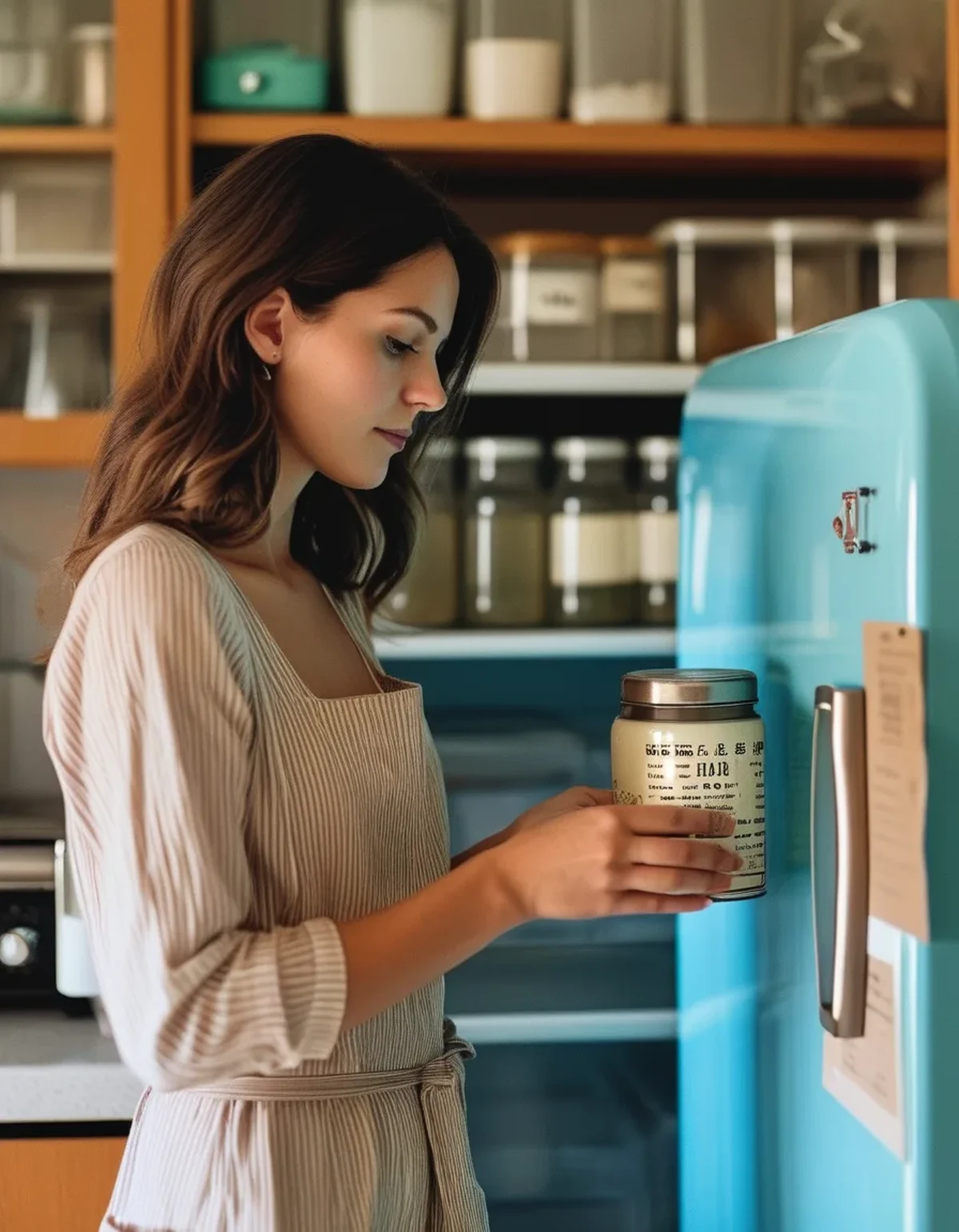
Write name, date, contents on masking tape, top to bottom, every single time — even for things you think are obviously yours. This takes about 10 seconds and removes all ambiguity for roommates deciding whether something is fair game or forgotten.
Skip fancy labels; masking tape and a sharpie survive fridge condensation far better than sticky notes, which fall off within a day and end up as the very mystery container you were trying to prevent. Keep a small roll of tape and a marker taped to the inside of a cabinet door near the fridge so the whole habit takes zero extra steps to start.
Look 2: Placement that actually gets seen
Put the label facing out and up, not on the side or bottom of a container, since most people scan a fridge shelf quickly and only see what’s immediately visible without lifting anything.
A consistent zone — say, the left side of your shelf, always — also helps roommates learn where your food lives without needing to read every label every time. If your fridge doesn’t have assigned shelves, claiming one consistent zone with a small piece of colored tape as a visual marker solves the same problem without needing a house meeting about it.

Look 3: The date that prevents the mystery mold
Use the actual date you cooked it, not the date you plan to eat it — this is the single most common labeling mistake, and it’s exactly why old food survives past its safe window undetected.
A simple rule (toss anything past 4-5 days regardless of how it looks) paired with visible dates means nobody has to guess or do the sniff test on someone else’s container. Writing the date in a consistent format (07/29, not “Tues”) also matters, since “Tuesday” stops meaning anything specific after the first week.
Myth vs Fact: Shared Fridges Are Just Chaos
Myth: Some fridges are just doomed to be messy no matter what. Fact: Almost all shared-fridge chaos traces back to missing labels and dates, not the number of people using it — add both and most of the chaos resolves within a week.
Myth: Everyone will remember whose food is whose. Fact: Even close friends misjudge this constantly; a label removes the need to remember or guess entirely, which quietly prevents most of the small resentments that build up over a shared semester.
FAQ: Dorm Fridge Labeling Questions, Answered
What if my roommates won’t label their own food?
Label yours consistently regardless — it protects your own food from being mistaken for communal, even if others don’t adopt the habit right away, and it often becomes contagious once people see how much less confusion it causes.
Does labeling actually prevent food from being eaten by mistake?
Yes, significantly — most “my food is gone” situations happen because something looked unclaimed, not out of malice, and a clear label removes that ambiguity entirely.
How often should the fridge get a full clean-out?
Weekly works well for most dorm setups — pick a consistent day so labeled dates can be checked against it and anything past its window gets tossed before it becomes a smell problem everyone has to deal with.
TL;DR:
- Label every container: name, date, contents, in that order, every time
- Face labels outward and up so they’re actually visible on a quick scan
- Use the cook date, not a guess at freshness — this alone prevents most mystery mold
- Keep tape and a marker right by the fridge so the habit has zero friction
- A consistent weekly clean-out keeps the whole system working long-term
Keep Reading
This article is for general informational purposes only and is not medical advice. Always consult a qualified health professional for guidance specific to you.