Five Snack Boxes That Survive a Full Day in a Backpack
Quick Answer: The five that work are the nut-and-fruit box, the crackers-and-shelf-stable-protein box, the roasted chickpea and dried fruit box, the nut butter and oat box, and the tuna-pouch box. All five are shelf stable for a full day, hold their texture in a bag, and combine protein with fibre - which is what stops the 3pm crash. Anything requiring refrigeration needs an ice pack and should be eaten within about four hours.
The gap between an 11am lecture and a 4pm seminar is where good intentions go to die. There is a vending machine and there is whatever you brought, and whatever you brought has usually been crushed under a laptop since eight in the morning.
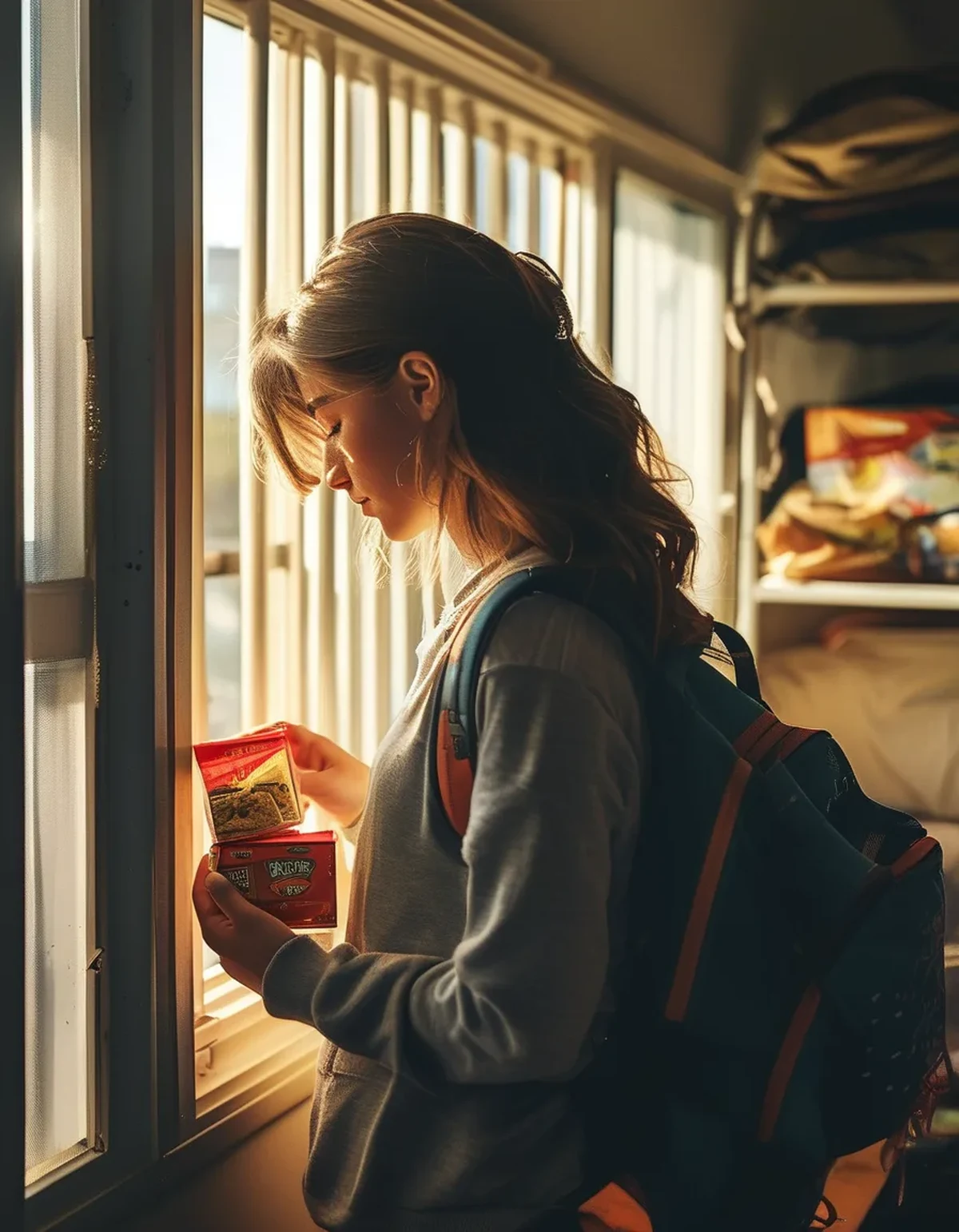
Box 1: The nut and dried fruit box, done properly
The most obvious option and the one most often assembled badly.
What goes in: a small container with roughly a handful of nuts, a smaller amount of dried fruit, and something with a bit of salt or texture - roasted chickpeas, seeds, or a few pieces of dark chocolate.
Why the ratio matters. Most shop-bought trail mix is heavily weighted towards dried fruit and chocolate, which makes it functionally a bag of sugar with some almonds in it. Flipping the ratio - roughly two parts nuts and seeds to one part dried fruit - changes it from a snack that spikes and drops to one that holds.
Best nuts for a backpack: almonds and cashews hold up well; walnuts and pecans go rancid faster and are more fragile. Pistachios in shell take longer to eat, which is genuinely useful when the point is to occupy a gap.
Best dried fruit: apricots, dates, and raisins are sturdy. Dried mango and banana chips are more fragile and considerably higher in sugar.
Assembly: make five at once on Sunday into small containers or reusable bags. The whole batch takes six minutes and removes the daily decision entirely.
Cost note: buying nuts in a large bag from the baking aisle rather than pre-portioned snack packs is dramatically cheaper - typically less than half the price per gram - and portioning them yourself takes the same six minutes.
Box 2: The crackers and shelf-stable protein box
The one that actually functions as a meal when lunch is not happening.
What goes in: wholegrain crackers or oatcakes, a shelf-stable protein, and something fresh that travels.
Shelf-stable protein options that genuinely survive a day at room temperature:
- Sealed cheese portions - the small wax-wrapped or individually sealed types are designed for this and are fine unrefrigerated for a day.
- Beef or turkey jerky.
- A sealed pouch of tuna or salmon.
- Roasted or spiced nuts.
- Hummus in a sealed single-serve pot, which is fine unopened for a few hours.
What to avoid unrefrigerated: sliced deli meat, soft cheeses, anything with mayonnaise, hard-boiled eggs beyond about two hours without an ice pack. Food safety guidance generally puts the limit for perishable food at room temperature at around two hours, dropping to one hour above 32 degrees - which is a real consideration in a hot late-August bag.
The fresh element: an apple, a small orange, cherry tomatoes, or carrot sticks. Apples and oranges survive a backpack; bananas, peaches, and pears do not, and there is no faster way to ruin a set of lecture notes.
Assembly note: pack the crackers separately from anything moist. A cracker in contact with hummus at 8am is a paste by 1pm, and this is the single most common failure of this box.
Box 3: The roasted chickpea box
The one people are sceptical about and then make every week.
What goes in: roasted chickpeas as the base, plus dried fruit and something crunchy.
Why chickpeas work. They deliver both protein and a substantial amount of fibre, which is the combination that keeps you full. They are inexpensive - a tin costs very little and makes several portions. And roasted properly they hold their crunch for several days in a sealed container.
How to roast them in a dorm setting:
- Drain and rinse a tin, then dry them thoroughly on a tea towel. Drying is the entire secret - wet chickpeas steam rather than crisp.
- Toss with a small amount of oil and whatever seasoning you have: smoked paprika, curry powder, garlic powder, salt.
- Oven at around 200C for 25 to 35 minutes, shaking the tray halfway, until they rattle. In an air fryer, roughly 15 minutes at 190C.
- Cool completely before storing, or they go soft.
Storage: a sealed jar at room temperature, three to four days at good crunch. They do soften over time, which is why a smaller batch more often beats one enormous batch.
The variations that make it not boring: honey and cinnamon for a sweet version, chilli and lime for a sharp one, everything-bagel seasoning for something savoury. Same base, five minutes of variation, and it stops being the same snack five days running.
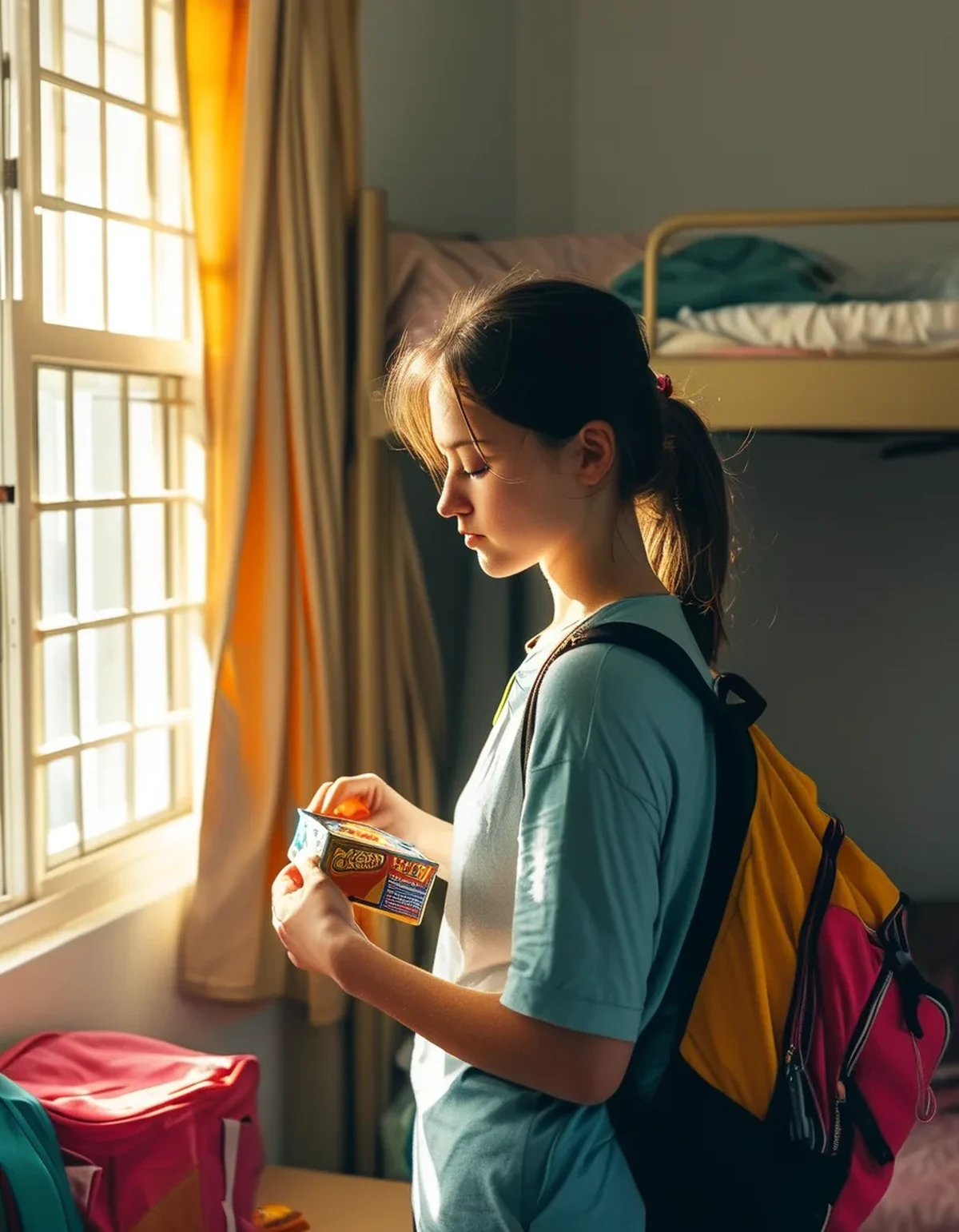
Box 4: The nut butter and oat box
The one for the morning gap, and the closest thing to a breakfast that survives a bag.
What goes in: no-bake oat bites, made in one bowl with no cooking at all.
The base formula, which scales and tolerates substitution:
- 1 cup rolled oats
- Half a cup nut butter - peanut, almond, or sunflower seed if there are nut restrictions in your building
- A third of a cup of honey or maple syrup
- Optional: a couple of tablespoons of chia or ground flaxseed, a handful of chocolate chips, a shake of cinnamon
Method: mix everything in one bowl, chill for 20 minutes so it firms, roll into about 12 balls. No oven, no hob, one bowl. Total active time is under ten minutes.
Why it survives a backpack. They are dense and firm, they do not crumble, and they are fine at room temperature for a day. They soften in real heat, so in an August bag they are better in a rigid container than a bag.
Storage: a week in a fridge, or freeze the batch and take two out each morning - they thaw in a bag by mid-morning, which also keeps them firm through the hottest part of the day.
The nutrition point: oats plus nut butter delivers slow-release carbohydrate with protein and fat, which is why these hold considerably better than a cereal bar of similar size. Most commercial cereal bars are closer to a biscuit in composition, which is why they leave you hungry an hour later.
Box 5: The tuna pouch box, for when it needs to be a real meal
The one that replaces lunch on a day with no gap long enough to eat one.
What goes in: a sealed tuna or salmon pouch, a starch, and something acidic or crunchy.
Why pouches rather than tins. No draining, no tin opener, no oily tin to carry back, and they are flat enough to survive a bag. Flavoured varieties - lemon pepper, sweet chilli, tomato and basil - remove the need for any dressing.
The full box:
- One sealed fish pouch, around 100g, delivering roughly 20 to 25 grams of protein.
- Crackers, a wholegrain roll, or a small container of pre-cooked rice or couscous.
- Something sharp: cherry tomatoes, cornichons, cucumber, or a lemon wedge.
- Optional: a small container of olives or a boiled egg if you have an ice pack.
Food safety: the sealed pouch is shelf stable until opened, which is the whole advantage. Once opened, eat it. Do not open it at 11am and finish it at 3pm.
Cost: pouches are more expensive per gram than tins but cheaper than nearly anything bought on campus, and this box delivers a genuine 25 to 30 grams of protein for less than a sandwich costs.
And the reason it matters: the afternoon energy dip that everyone attributes to a boring lecture is frequently a lunch that was mostly refined carbohydrate. A box with real protein in it changes the afternoon noticeably, and that is the actual argument for going to any of this effort.
FAQ: Backpack Snack Questions, Answered
What snacks do not need refrigeration for a whole day?
Nuts, seeds, dried fruit, roasted chickpeas, sealed cheese portions, jerky, sealed fish pouches, crackers, oatcakes, no-bake oat bites, and sturdy whole fruit like apples and oranges. All are stable for a full day at normal indoor temperatures.
How long can food safely stay in a backpack?
Shelf-stable food is fine all day. Perishable food - deli meat, soft cheese, cooked eggs, anything with mayonnaise - should generally not sit above refrigeration temperature for more than about two hours, or one hour in genuine heat. Use an ice pack if you need to carry those.
What snacks actually keep you full between classes?
Combinations of protein and fibre. Nuts with dried fruit, chickpeas, oat bites with nut butter, or a fish pouch with crackers all hold considerably better than crisps or a cereal bar of similar calories.
How do I stop snacks getting crushed in a bag?
Use a small rigid container rather than a bag, pack it in a side pocket or on top rather than under a laptop, and keep anything moist separate from anything crisp. Crackers stored touching hummus become paste within a few hours.
TL;DR:
- Nut and dried fruit box, flipped ratio - two parts nuts to one part fruit.
- Crackers with sealed cheese, jerky, or a fish pouch, packed separately from anything moist.
- Roasted chickpeas - cheap, high fibre, and they hold crunch for days if you dry them first.
- No-bake oat bites, one bowl, no cooking, ten minutes for a week’s worth.
- Tuna pouch plus a starch plus something sharp is a genuine 25-gram protein lunch.
Five containers, Sunday evening, twenty minutes. The vending machine will still be there, and you will walk past it.
Keep Reading
This article is for general informational purposes only and is not medical advice. Always consult a qualified health professional for guidance specific to you.